How to turn a short story into a comic with AI
You have a story you wrote and you want to see it as a comic. Here is how adaptation works, step by step, whether you use AI or draw it yourself.
1. Start with a story you have the rights to
Use something you wrote, something you own the rights to, or a story in the public domain. Short stories of a few thousand words are a good first project: long enough to have real scenes, short enough to finish.
2. Turn prose into a comic script
Prose and comics tell stories differently. A paragraph of thoughts may become one silent panel. A single line of action may need three panels. Go through the story scene by scene and write down:
- who is in the scene, and what they are wearing;
- where it happens, and what the place looks like;
- what each panel shows, and what is said in it.
Cut hard. Comics need far fewer words than prose. If a picture can show it, the caption doesn't need to say it.
3. Design your cast before drawing anything
Make a reference for each character: face, build, hair and outfit, from several angles. Our guide to keeping characters consistent explains why this matters so much.
4. Design each place once
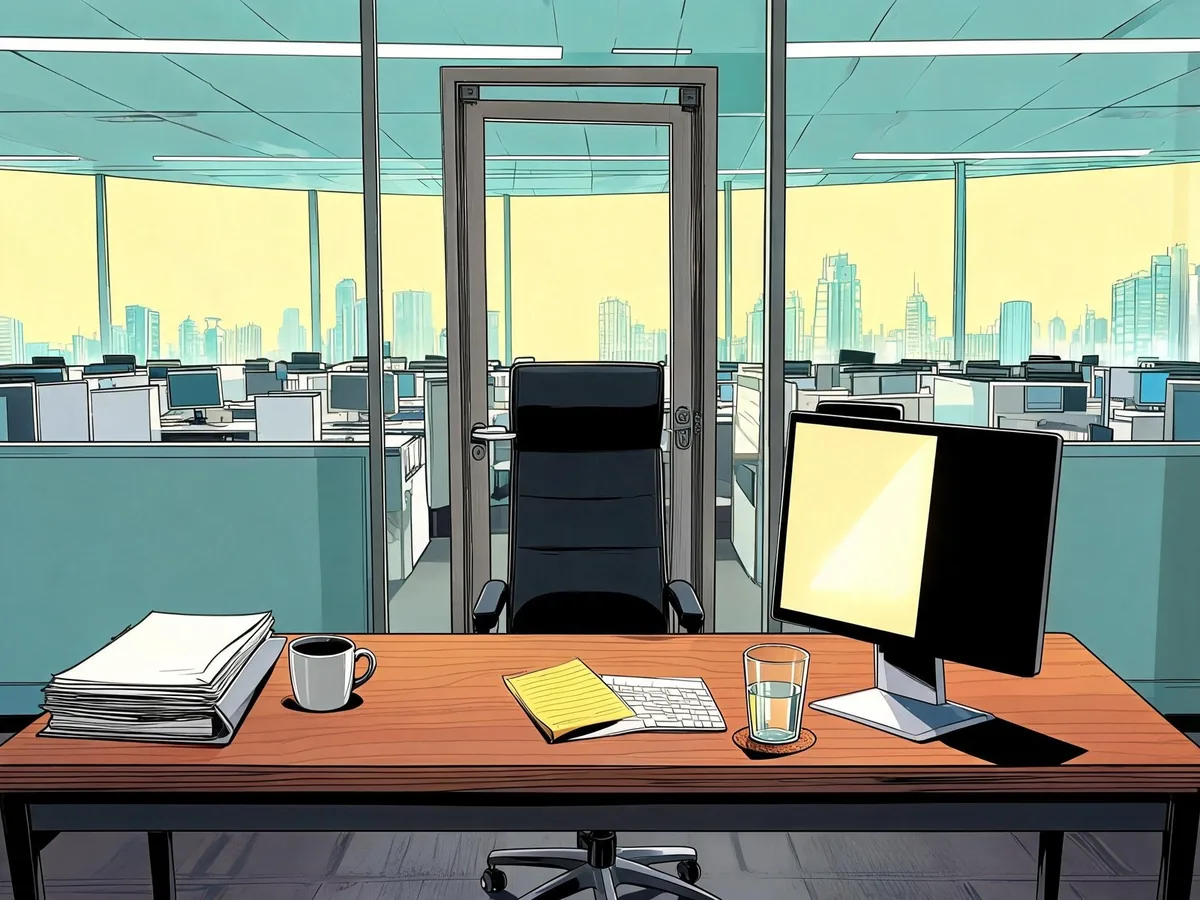
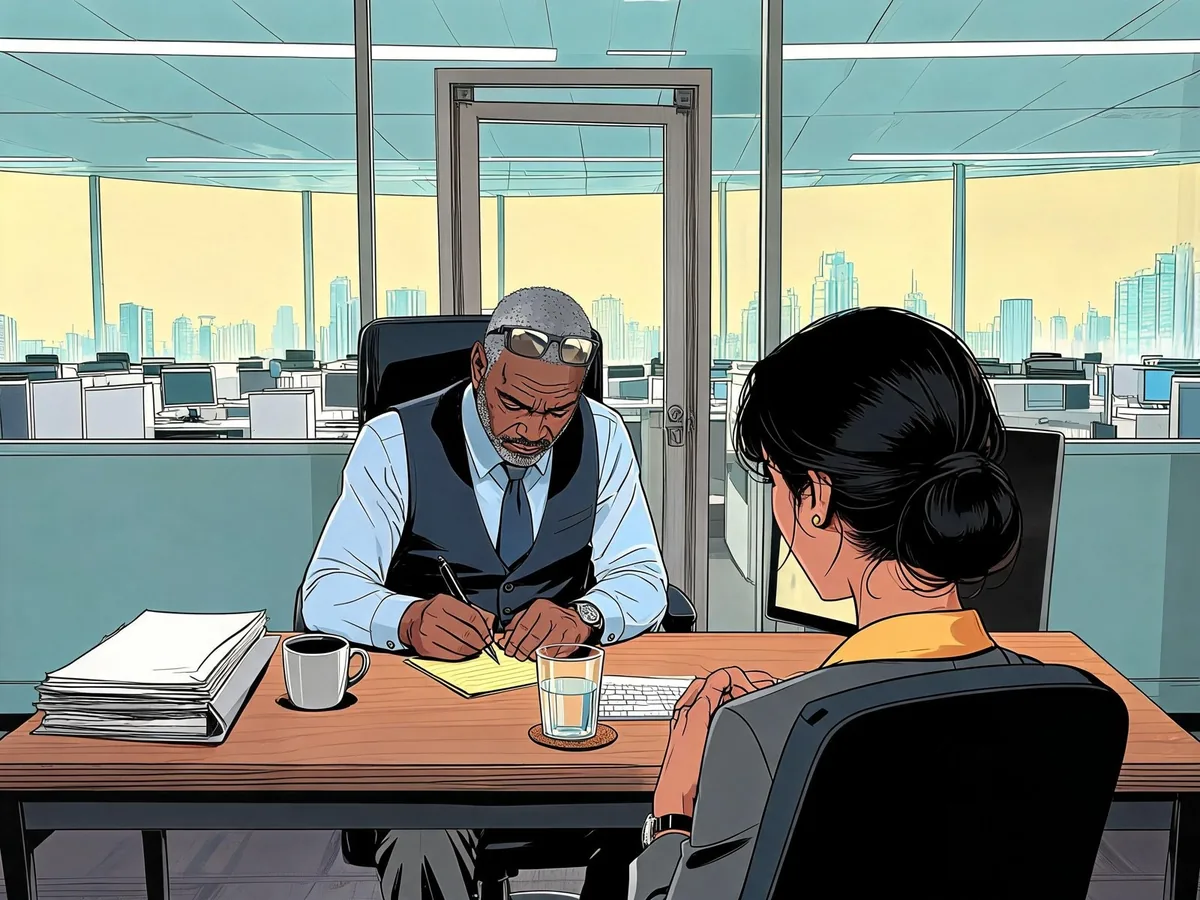
This is the step most AI comics skip, and it is why rooms seem to rearrange themselves. Decide what is in each location and where: the desk, the door, the window, the plant. Keep that layout fixed, and show the same place from different angles instead of reinventing it each time.
5. Plan the shots
Vary the camera the way a film would: a wide shot to set the scene, closer shots for conversation, a close-up for the moment that matters. Keep characters on consistent sides of the frame during a conversation so readers don't lose track of who is speaking.
6. Draw, then check every panel
Check each panel against your character and place references, and against the script. Is everyone who should be there present? Is anyone extra? Is the mug still on the left of the desk? Redo the panels that fail.
7. Letter it properly
Use real typeset lettering, not text drawn by the image generator, which often comes out garbled. Put balloons where they don't cover faces or important action, and read them in order from left to right and top to bottom.
Or let AutoComic do the work
AutoComic follows this whole process for you, from script and cast to places, panels, checks and lettering. You bring the story, and it brings back a finished comic where everything stays consistent.
Common questions
How long should a story be to turn into a comic?
A short story of roughly 2,000 to 6,000 words is a good first project. It usually becomes a few pages to a short chapter. Longer works are best split into chapters.
Can I use someone else's story?
Only if you have the rights to it or it is in the public domain. Stories you wrote yourself are the simplest choice.
Why do AI comic backgrounds change between panels?
Each panel is often generated from scratch, so the room is reinvented every time. Designing each location once and keeping it fixed is what makes places consistent.
Try AutoComic first
AutoComic turns your story into a premium graphic novel where faces, outfits, props and places stay the same from the first panel to the last chapter. The private beta waitlist is open.
Just your email. One message when your invite is ready. Privacy